
Turbli and Dial A Pilot both forecast flight turbulence, but they take different approaches for different people. Turbli is a powerful piece of software that weighs many factors and uses its own algorithm to predict when turbulence is likely to spike, then shows you that detail to read yourself. Dial A Pilot takes the same class of forecast data and reframes it, helping nervous fliers understand that turbulence is a normal, everyday part of flying that pilots plan for, watch closely, and actively work to keep from disrupting the flight. And it is the only one of the two where you can book a real airline pilot to talk it through.
If you like reading aviation data yourself, Turbli is excellent. If turbulence is something you dread and you want it explained and put in perspective, with the option to actually talk to a pilot, Dial A Pilot was built for you.
What Turbli does really well
Turbli is a genuinely strong tool, and it has earned its reputation. You enter your route, date, and even your aircraft type, and it weighs a lot of factors at once, then uses its own algorithm to flag when and where it predicts turbulence will spike. It gives you a broad flight-comfort picture in one place: turbulence by phase (climb, cruise, descent), headwind and tailwind, runway crosswinds, and thunderstorm activity along the way. It draws on professional-grade weather models from NOAA and the Met Office, refreshes regularly, and forecasts up to about 36 hours ahead. It also has an iOS app and a flight logbook. If you enjoy seeing the numbers and want the fullest meteorological detail, Turbli is hard to beat.
Where Dial A Pilot is different
The difference is not the underlying data, and it is not that we hide any of it. It is that we explain it.
Turbli is designed to surface the spikes. It will show you a chart climbing into "moderate" and "severe," because for a frequent flier or an aviation enthusiast that raw detail is genuinely useful. But a severity label on its own, with no context, does not tell a nervous passenger what those bumps will actually feel like, or why they are nothing out of the ordinary. A red spike with no explanation tends to make the fear worse, not better.
Dial A Pilot starts from the same class of turbulence forecast data that pilots use, ties it to your actual route and time, and puts it in plain language: what to expect, what it will feel like, and why it is a normal, everyday part of flying. We do not soften the picture or leave anything out. We frame turbulence for what it genuinely is, an inconvenience rather than a danger, something pilots expect, know where to look for, and actively work to reduce the impact of on the flight. Instead of handing you a number to interpret alone, we give you the bumps and the context that makes sense of them, so you can see turbulence clearly rather than fear it. The forecast is generated from that professional data, and the tool itself was built by real airline pilots whose goal is to help nervous fliers fly with more confidence.
Same forecast data. Two very different ways to see it.
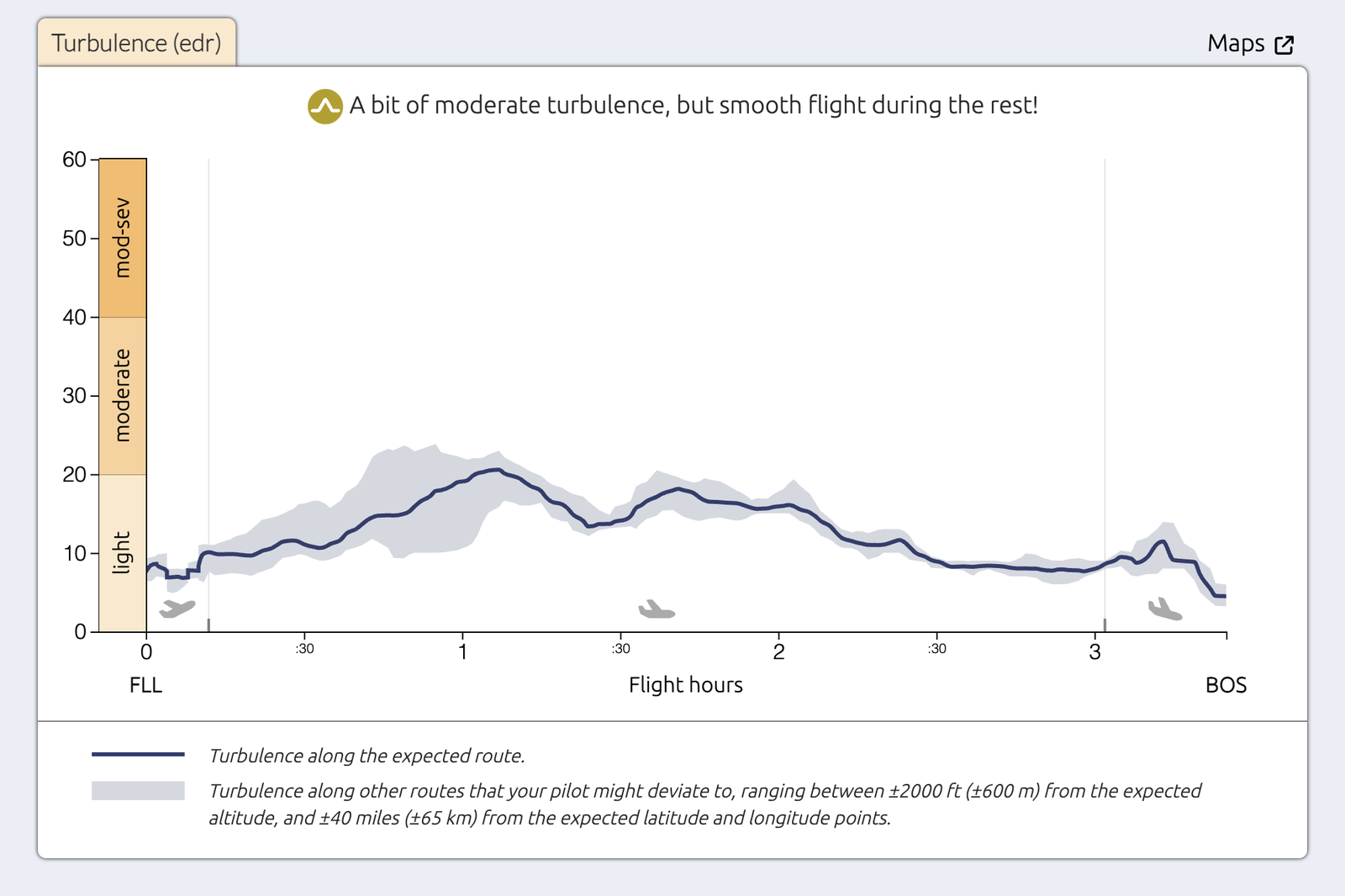
You are left to interpret the spike on your own.
Screenshot: Turbli
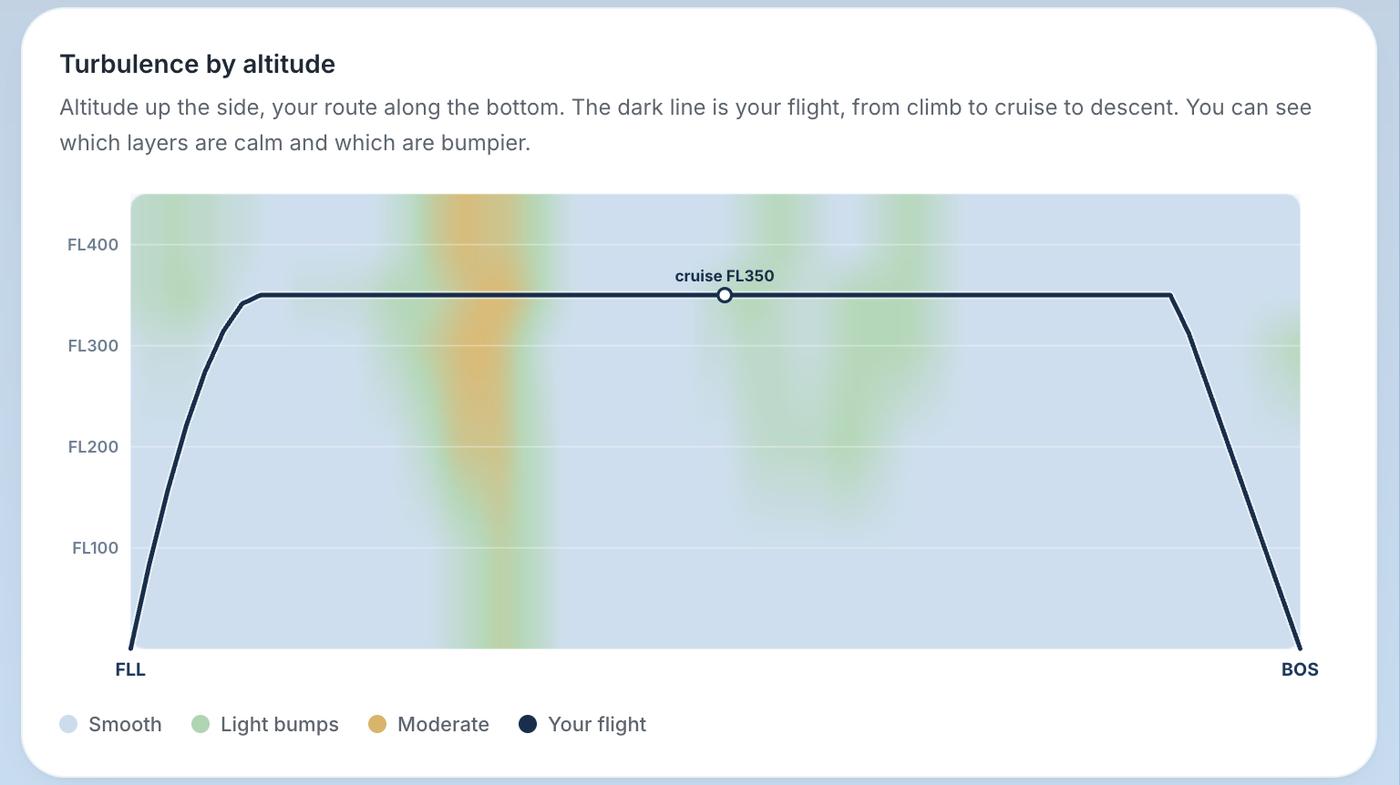
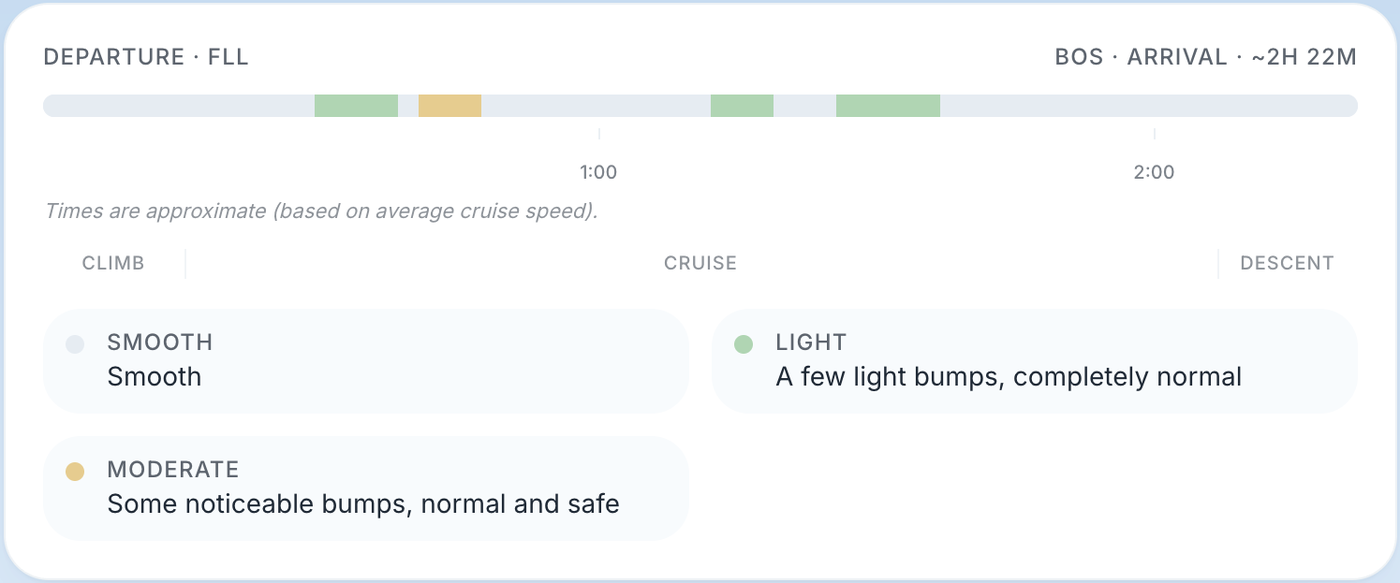
The same flight, told in plain language you can actually feel.
One hands you a spike to decode. The other tells you what it means.
And then there is the part no algorithm can replicate, which matters more than ever in an AI era: a real human on the other end.
With Dial A Pilot you can book a one-to-one call with an actual airline pilot and talk through the exact flight that is worrying you. We have completed nearly 2,000 of these calls. There is a real pilot listening, answering your specific questions, on your side. A member community is launching inside the app soon, so you will also have other fliers working through the same thing alongside you. Turbli is software. Dial A Pilot is software plus people.
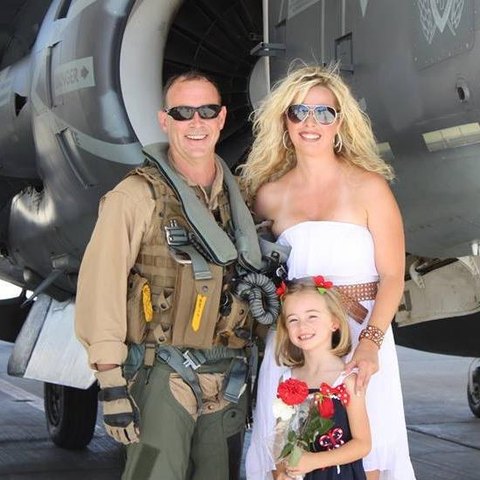
A few of the real pilots behind Dial A Pilot.




It also comes to you: Dial A Pilot can send your forecast to your inbox the morning of your flight, with a link that opens straight to your route, so you are not hunting for it while you are already anxious at the gate.
Which one should you use
Use Turbli if you enjoy reading aviation data yourself and you want the widest meteorological picture, including winds and crosswinds. It is a great piece of software.
Use Dial A Pilot if turbulence is something you dread and you want it explained in plain English and put in perspective, with the context that makes sense of it, plus the option to talk to a real pilot rather than interpret a chart alone.
Plenty of nervous fliers use both: Turbli when they want to look at the detail, Dial A Pilot when they want it explained and want a human in their corner.

Turbli vs Dial A Pilot at a glance
| Turbli | Dial A Pilot | |
|---|---|---|
| Core approach | Surfaces the data and predicted spikes for you to read | Explains the same data in plain language for nervous fliers |
| How turbulence is presented | Severity levels and spikes to interpret yourself | The bumps plus the context that makes sense of them |
| Built for | Curious and frequent fliers who like the numbers | Nervous fliers who want reassurance and perspective |
| Underlying data | Professional NOAA / Met Office models, own algorithm | Same class of turbulence forecast data pilots use |
| Talk to a real pilot | No | Yes, nearly 2,000 one-to-one calls completed |
| Community | No | Launching inside the app soon |
| Delivered to you | You visit the site | Optional morning-of email, deep-linked to your route |
| Wind and crosswind detail | Yes, extensive | Focused on the turbulence experience |
| Price | Free | Forecast and email free; 1:1 pilot calls are paid |
Have a flight coming up?

Frequently asked questions
- Is Turbli accurate?
- Turbli is a well-built, respected tool that uses the same professional weather models pilots and airlines rely on, along with its own algorithm to predict where turbulence is likely to spike, so its forecasts are solid. No turbulence forecast, Turbli's or anyone's, is a guarantee, because the atmosphere changes hour to hour, but as a planning picture Turbli is genuinely good.
- What is the best Turbli alternative for nervous fliers?
- If your goal is to feel calmer rather than to study the data, Dial A Pilot is the closest alternative built specifically for that. It uses the same class of forecast data as Turbli, but instead of leaving you to interpret a "severe" label on your own, it explains what those bumps will actually feel like and why pilots treat them as routine. It also adds something no forecasting site has: real airline pilots you can actually talk to, with nearly 2,000 one-to-one calls completed.
- Does Dial A Pilot use the same data as Turbli?
- Both draw on the professional turbulence forecast data that pilots and airlines use. The difference is the approach. Turbli surfaces the spikes for you to interpret; Dial A Pilot reframes the same information in everyday language and ties it to your specific route and time.
- Can I talk to a real pilot with Dial A Pilot?
- Yes. You can book a one-to-one call with a real airline pilot to talk through the flight that is worrying you. We have completed nearly 2,000 of these calls. This is the biggest thing Turbli does not offer.
- Is Dial A Pilot free?
- The turbulence forecast tool and the morning-of email forecast are free. The one-to-one pilot calls are a paid service for people who want to talk it through with a human.